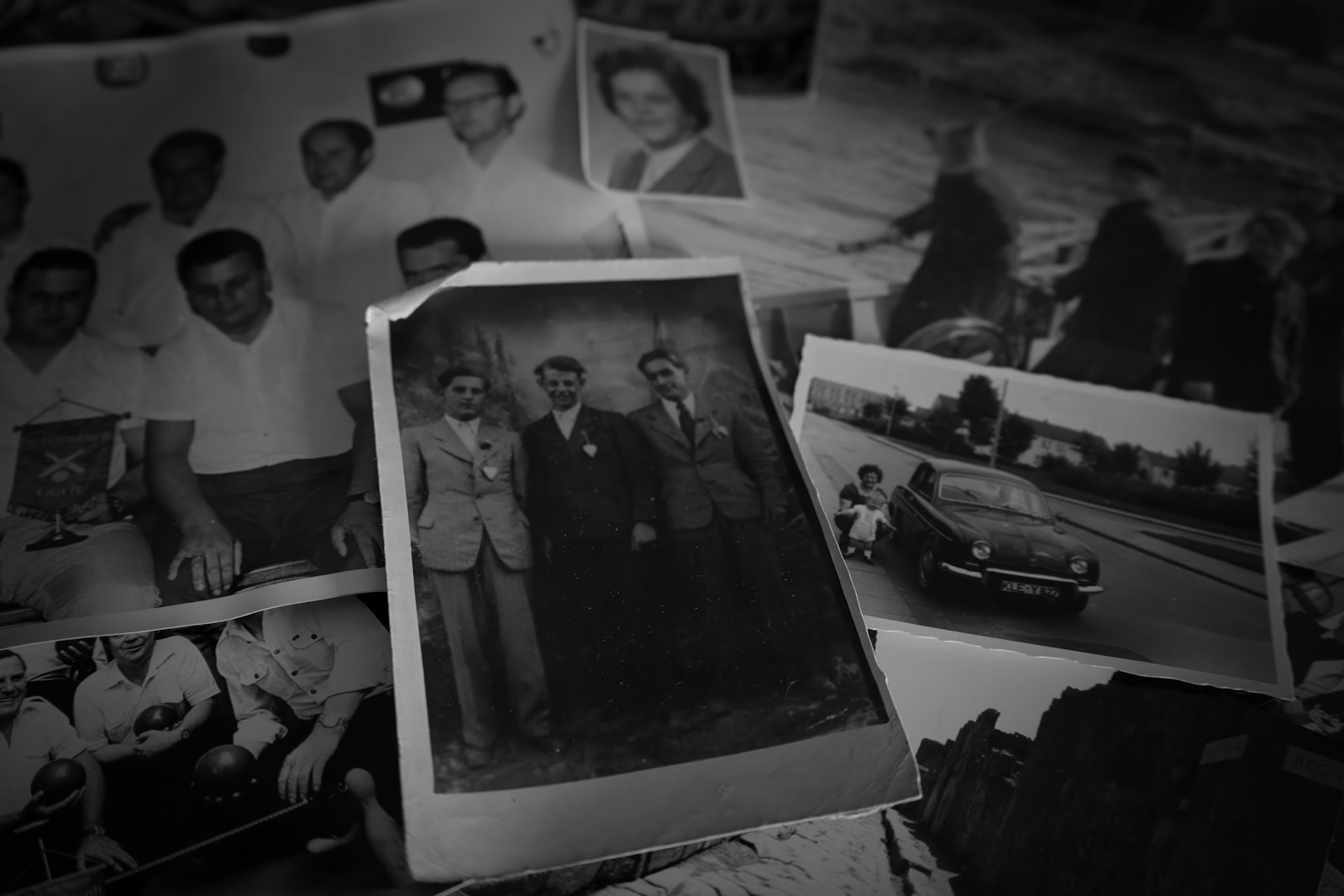
How to Turn Your Old Travel Photos Into an Interactive Memory Map
Short answer: don't try to map every photo. Pick the handful of moments per trip you still remember clearly, place each one on a map at the right spot, and add a short note while the memory is still retrievable. Here's a process that takes an afternoon, not a month.
Why the folder never gets touched again
Most people have thousands of travel photos and revisit almost none of them. The problem isn't the photos — it's that a folder or a camera roll has no structure that invites you back in. A map does. Seeing a cluster of pins across a country you visited five years ago pulls you back in a way that scrolling through a chronological grid of thumbnails never does. The fix isn't organizing everything — it's building something worth reopening.
Step 1 — Resist the urge to map every photo
This is the step that kills most attempts. Nobody finishes turning 3,000 photos into a map, and starting that way guarantees you'll quit after one trip. Instead, go trip by trip and ask: what are the two, three, maybe five moments from this trip I still think about? Not the best photos — the moments. Sometimes they're the same; often they're not.
Step 2 — Find where each moment actually happened
If your photos have location data attached (most phone photos do, unless you turned it off), a tool that reads that metadata can place the pin for you automatically. If not, or if the moment wasn't strictly where the photo was taken — say, a conversation that happened after you put the camera away — you can drop the pin manually at the right spot from memory. Precision to the exact street isn't the point; being in the right neighborhood, city or viewpoint is enough to make the map feel true.
Step 3 — Write the note before the memory fades further
This is the part a photo can't do for you. A sentence or two about what made the moment worth keeping — not a caption, a memory. If you can still recall a sense (a smell, a sound, a taste), include it; sensory detail is what makes an old memory feel close again rather than distant. This step matters more the older the photo is — you're racing against your own forgetting, and it only gets harder from here.
Step 4 — Do one trip at a time, not all of them at once
Set a rule: one trip per sitting, five pins maximum. You can always add more later, but a completed trip with five real memories beats an abandoned attempt at your entire travel history. Once a few trips are mapped, the habit tends to continue on its own — mapping becomes something you do naturally after a trip, not a backlog you dread.
Frequently asked questions
Do I need to remember the exact location of an old photo?
No. If the photo has GPS metadata, a tool can place it precisely. If not, an approximate location — the right city, neighborhood or landmark — is enough for the map to feel accurate and meaningful.
How many old trips should I map at once?
Start with one. Pick your most meaningful trip, map three to five moments from it, and stop. Momentum builds from finishing one trip, not from starting many.
What if I don't remember details from years ago?
Write down whatever you do remember, even if it's just one sensory detail or a single sentence. A partial memory captured now is more than you'll have in another five years — waiting for a complete memory means losing what's left of it.
WHIB reads your photos' location data and lets you drop a pin with a short memory attached — a good afternoon project for an old trip.
Start mapping for free